September 23, 2026· Hybrid 7 min read
How Much Should You Spend Improving Your Home?

How much should you spend improving your home? Explore cost, lifestyle, maintenance, resale value, and long-term considerations for Albuquerque homeowners.
Home improvements can be exciting. A dated kitchen can become more functional, an unused room can become a comfortable living space, and a neglected backyard can become an extension of the home.
But before starting a renovation, there is an important question to consider:
How much should you actually spend?
There isn't one number that works for every homeowner or every property. The right amount depends on why you're making the improvement, how long you plan to stay, the condition of the home, the surrounding neighborhood, and how the project fits into your overall financial plans.
For Albuquerque homeowners, thinking through those factors before committing to a project can help make the decision more intentional.
Start With Why You Want the Improvement
The first question isn't necessarily about cost.
It's about purpose.
Are you improving your home because something no longer works for your lifestyle? Are you trying to address maintenance issues? Do you want to modernize an outdated space? Or are you primarily thinking about future resale value?
Those goals can lead to very different decisions.
A homeowner who plans to stay for another decade may prioritize comfort and functionality. Someone who expects to move within a few years may approach improvements differently.
Understanding your reason for renovating gives the rest of the decision more context.
Not Every Improvement Is About Resale Value
One of the easiest assumptions to make is that every dollar spent on a renovation will come back when the home is sold.
That isn't necessarily the case.
An improvement can be valuable without producing an equal increase in market value.
For example, replacing an outdated feature may make your home significantly more enjoyable to live in without creating a dollar-for-dollar return. A particular design choice may also appeal strongly to you but have less importance to future buyers.
That's why it's useful to separate two different ideas:
Value to you and value in the market.
They can overlap, but they aren't always the same.
Consider the Difference Between Maintenance and Upgrades
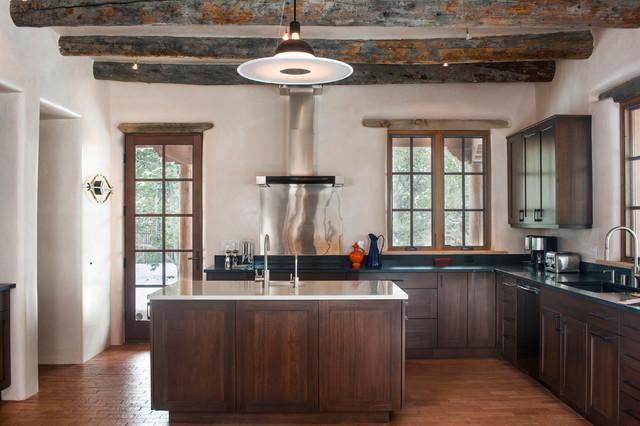
Before spending money on a new feature, look at the condition of the things your home already needs.
A new aesthetic upgrade may be exciting, but an aging roof, inefficient system, plumbing issue, or other deferred maintenance may deserve attention first.
Maintenance protects the home you already have.
Upgrades change or improve it.
That doesn't mean you should never choose the upgrade. It simply means that understanding the difference can help you prioritize where your budget goes.
For homeowners thinking about whether a larger renovation is actually the right move, our guide Renovate or Move? A Guide for Albuquerque Homeowners explores the broader decision.
Think About the Neighborhood
Your home doesn't exist in isolation.
The surrounding neighborhood can provide useful context when you're deciding how much to invest.
Consider the homes around you. What types of improvements are common? What level of finish is typical? Are properties generally newer or older? What features seem to matter to buyers in the area?
This doesn't mean your home needs to look exactly like every other property nearby.
But understanding the neighborhood can help you make more informed decisions about the scale of a project.
A renovation that is appropriate for one part of Albuquerque may not make the same financial sense in another.
More Expensive Doesn't Always Mean Better
A larger renovation budget can create more possibilities, but it doesn't automatically create a better investment.
Sometimes a relatively focused improvement can make a noticeable difference.
Improving lighting, updating worn finishes, addressing visible maintenance issues, improving functionality, or refreshing an outdated space may have a meaningful impact without requiring a complete transformation.
The goal should be to spend intentionally rather than simply spending more.
Before starting a project, ask:
What problem am I trying to solve?
If you can clearly answer that question, it's easier to determine whether the proposed project is actually necessary.
Think About How Long You Plan to Stay

Your timeline can significantly change how you think about improvements.
If you expect to stay in your Albuquerque home for many years, you may be comfortable investing in features that improve your everyday experience even if they aren't likely to provide an immediate financial return.
If you may move soon, you might place greater emphasis on maintenance, functionality, broad buyer appeal, and improvements that help the home remain competitive.
Neither approach is automatically right or wrong.
The important thing is that your spending strategy matches your timeline.
Consider Your Home's Current Value
Before committing to a major renovation, it can also help to understand where your home stands within the local market.
The value of your property isn't determined by renovation costs alone. Location, size, condition, layout, comparable properties, and current market conditions all contribute.
Our guide on What Is My Albuquerque Home Really Worth? explains the different factors homeowners can consider when thinking about their property's market value.
Understanding that context can help you think about whether a major improvement is proportionate to the property and the surrounding market.
Create a Realistic Project Budget
Once you've decided that an improvement makes sense, build a budget before beginning the work.
Consider more than the initial estimate.
Depending on the project, you may need to account for:
Materials
-
Labor
Permits
-
Design or professional services
Demolition or disposal
-
Unexpected repairs
Temporary living arrangements
-
Additional finishing work
It can also be useful to leave room for unexpected costs.
Older homes in particular can reveal issues once walls, floors, or fixtures are opened up. Having some flexibility in the budget can help prevent a manageable project from becoming unnecessarily stressful.
Don't Forget the Cost of Not Improving
There is another side to the calculation.
Sometimes the cost of doing nothing is worth considering too.
A maintenance issue that continues to worsen may eventually become more expensive to address. An inefficient space may continue to frustrate you every day. A home that no longer functions for your household may affect how you use the property.
Not every problem needs to become a renovation project, but it can be useful to understand the consequences of leaving something unchanged.
Ask Whether the Improvement Fits Your Life
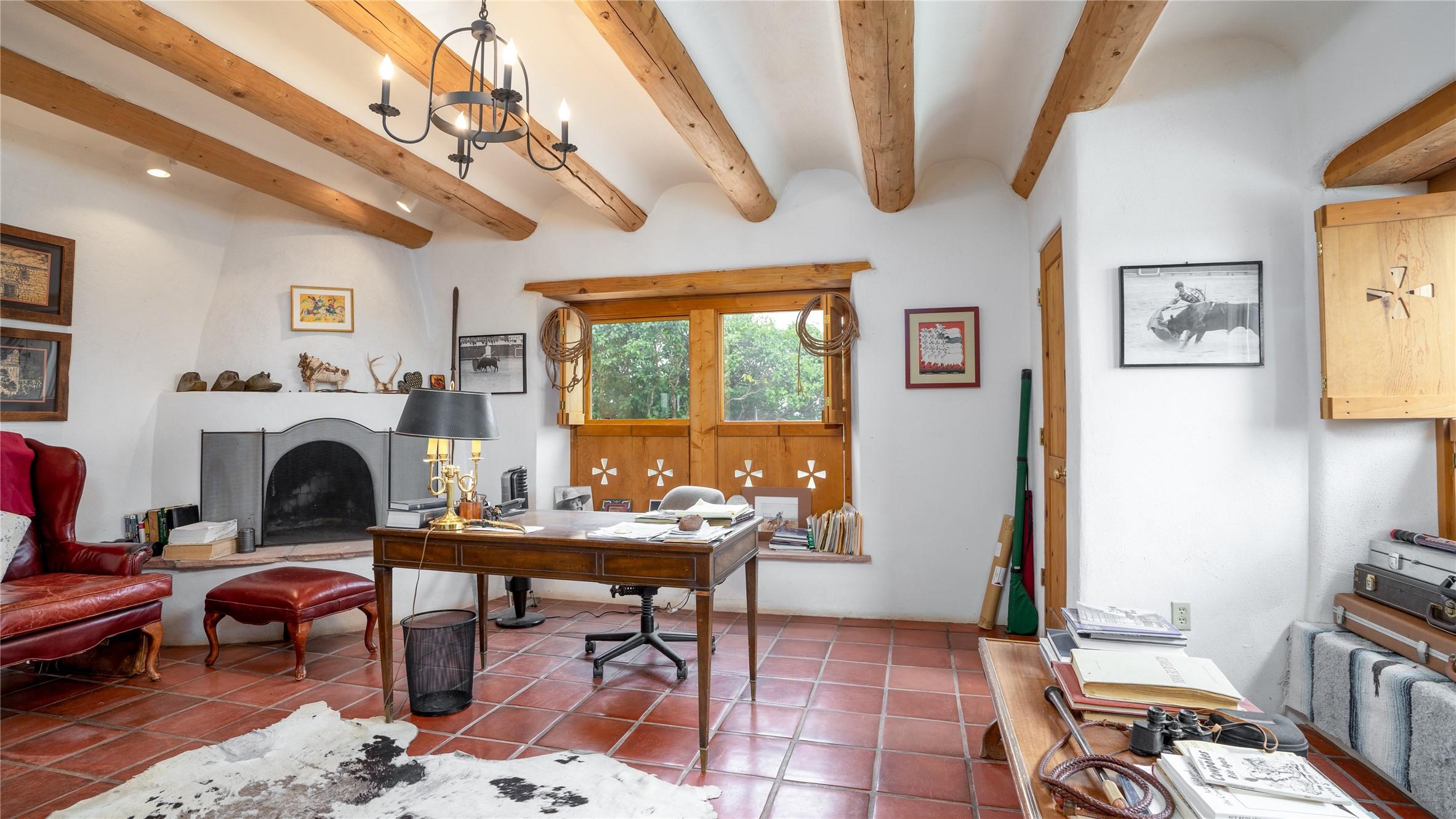
One of the most useful questions a homeowner can ask is:
Will this improvement make the way I live here better?
Maybe the answer is a more functional kitchen.
Maybe it's a better outdoor living space.
Maybe it's converting an underused room into an office.
Maybe it's simply fixing something you've been putting off for years.
Your home is not only an asset. It's where you spend your everyday life.
If you're planning to stay, that matters.
Know When a Project Becomes a Bigger Decision
There is a point where an improvement project stops being simply an improvement and becomes a larger question about the home itself.
If the changes you need involve multiple major systems, a substantial addition, a significant redesign, or a large financial commitment, it may be worth stepping back and considering the bigger picture.
Would you be happier with the finished home?
Would the neighborhood still work for you?
Would the project solve the underlying problem?
Would moving to a different property accomplish the same goal more effectively?
Sometimes the answer will be to renovate. Sometimes it may lead you to reconsider what you want from your home altogether.
Spend With Your Future in Mind
There is no universal dollar amount that every Albuquerque homeowner should spend improving a home.
Instead, consider the relationship between:
Cost + purpose + lifestyle + condition + neighborhood + timeline + potential market value.
A project makes more sense when those factors work together.
The goal isn't to renovate simply because something is outdated, or to avoid improvements because they won't produce a perfect financial return.
The goal is to make decisions that fit your home, your priorities, and the life you want to live.
The Right Improvement Is the One That Makes Sense for Your Home
Home improvements can be both personal and financial decisions.
The best place to start is not with a renovation trend or a specific dollar amount. Start with the question you're trying to answer.
What isn't working?
What needs to be maintained?
What would genuinely improve your everyday life?
How long do you plan to stay?
And how does the project fit within the value and character of your Albuquerque home?
Once you understand those pieces, the budget becomes easier to evaluate.
Because improving your home isn't necessarily about spending the most.
It's about spending with intention.