November 4, 2026· Real Estate Insight 6 min read
How Much Does It Cost to Buy a Home in Albuquerque?
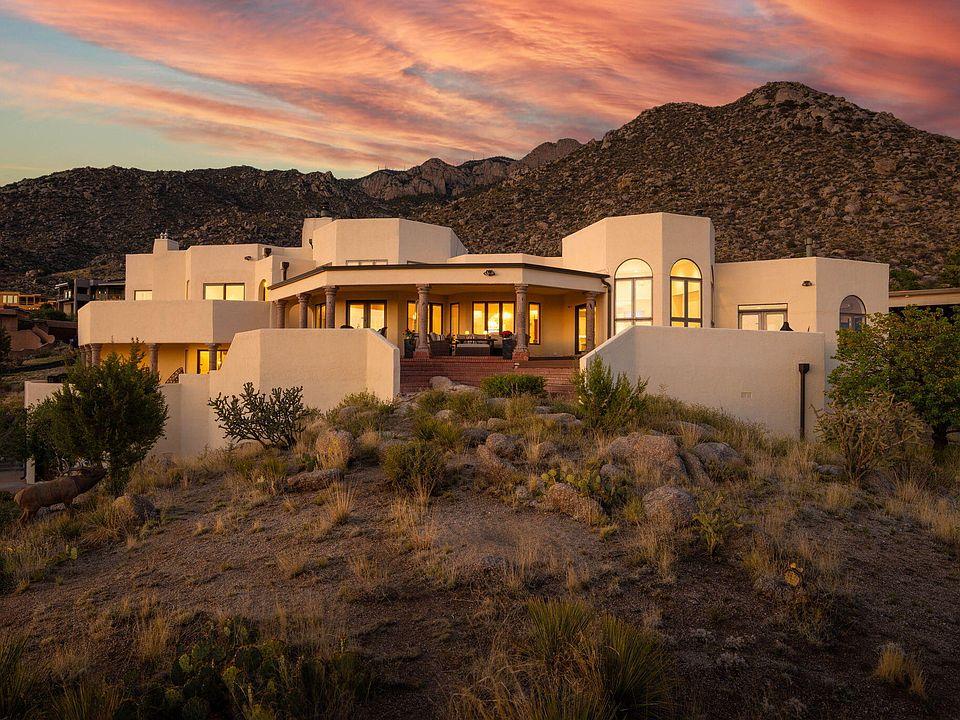
Buying a home in Albuquerque costs more than the purchase price. Explore down payments, closing costs, inspections, taxes, and other expenses to plan ahead.
How Much Does It Cost to Buy a Home in Albuquerque?
Buying a home is an exciting milestone, but understanding the financial commitment involves more than finding a property you love. From the down payment and closing costs to inspections, insurance, and ongoing maintenance, several expenses can affect how much money you need to purchase a home.
If you're considering buying in Albuquerque, New Mexico, understanding these costs ahead of time can help you plan your budget, compare your options, and move forward with greater confidence.
Here's what to consider when estimating the cost of buying a home in the Albuquerque area.
1. Start With the Purchase Price
The purchase price is usually the largest number buyers focus on, but home prices can vary significantly depending on the neighborhood, property size, condition, and current market conditions.
For context, Redfin reported a median sale price of approximately $361,000 for Albuquerque in September 2026. This is a city-level market snapshot, not a price estimate for every neighborhood or individual property.
A home in the Northeast Heights, North Valley, West Side, or another part of the metro area may have a very different price depending on its features and location.
Before beginning your search, consider:
Your comfortable monthly mortgage payment
-
Your available savings
Your existing monthly debts
-
Property taxes and homeowners insurance
How long you plan to stay in the home
Getting preapproved by a lender can help establish a realistic price range before you start touring properties.
You can also explore our homebuying services and property search to learn more about the process and begin looking at available homes.
2. How Much Do You Need for a Down Payment?
Your down payment is the amount you contribute toward the purchase price upfront. One common misconception is that buyers always need to put down 20%.
That isn't necessarily true.
Depending on the loan program and your qualifications, you may be able to purchase a home with a smaller down payment.
For example, on a $360,000 home:
3% down payment: $10,800
-
3.5% down payment: $12,600
5% down payment: $18,000
-
10% down payment: $36,000
20% down payment: $72,000
Some conventional loans offer down payments as low as 3% for eligible borrowers. FHA loans generally require at least 3.5% for borrowers who meet the program's credit requirements.
Eligible veterans may qualify for VA loans with no down payment, and some buyers may qualify for USDA financing with no down payment in eligible areas.
New Mexico buyers may also want to explore assistance programs through the New Mexico Mortgage Finance Authority. Program availability, eligibility, and requirements can vary.
The right down payment depends on your financial situation, loan options, and long-term goals.

3. What Are Closing Costs in New Mexico?
Closing costs are expenses associated with finalizing your mortgage and transferring ownership of the property.
As a general planning estimate, buyers often budget approximately 2% to 5% of the purchase price for closing costs. The actual amount depends on the loan, property, lender, and transaction details.
For a $360,000 home, that would represent approximately $7,200 to $18,000.
Closing costs may include:
Loan origination and lender fees
-
Appraisal fees
Credit report fees
-
Title services and title insurance
Recording fees
-
Prepaid homeowners insurance
Property tax and insurance escrow deposits
-
Other lender-required expenses
Your lender will provide a Loan Estimate early in the mortgage process. This document helps you understand the estimated costs associated with your loan.
Before closing, you'll receive a Closing Disclosure with the final loan terms and closing costs.
Reviewing these documents carefully can help you understand what you're paying and identify questions before signing.
4. Don't Forget Inspections and Appraisal Fees
A home inspection and an appraisal serve different purposes, and both may be part of the buying process.
A home inspection evaluates the property's condition. It can identify potential concerns involving the roof, plumbing, electrical systems, heating and cooling, foundation, and other components.
An appraisal, on the other hand, estimates the property's market value for the lender. Mortgage lenders typically require an appraisal to help confirm that the property supports the loan amount.
These expenses are separate from your down payment and may be due before closing.
Inspection costs vary depending on the property and the type of inspection requested. Additional evaluations may be recommended if the initial inspection identifies areas that need closer attention.
5. Budget for Property Taxes and Homeowners Insurance
Your monthly housing costs will include more than the mortgage principal and interest.
Property taxes and homeowners insurance are also important parts of your budget.
Property taxes in Albuquerque and the surrounding areas can vary depending on the property's assessed value, location, and applicable tax rates.
Homeowners insurance costs depend on factors such as the property's characteristics, coverage limits, deductible, and insurance provider.
Before purchasing, review the property's actual tax information and request an insurance quote. These figures can help you estimate your monthly payment more accurately.
If your mortgage includes an escrow account, your lender may collect a portion of your property taxes and insurance premiums with each monthly payment.
6. Plan for Expenses After Closing
Once you receive the keys, there may be additional expenses that aren't included in your mortgage or closing costs.
Depending on your situation, you may need to budget for:
Moving services and transportation
-
Utility deposits or account transfers
Furniture and household essentials
-
Landscaping and yard maintenance
Appliance replacements
-
Routine repairs and maintenance
Home improvements or updates
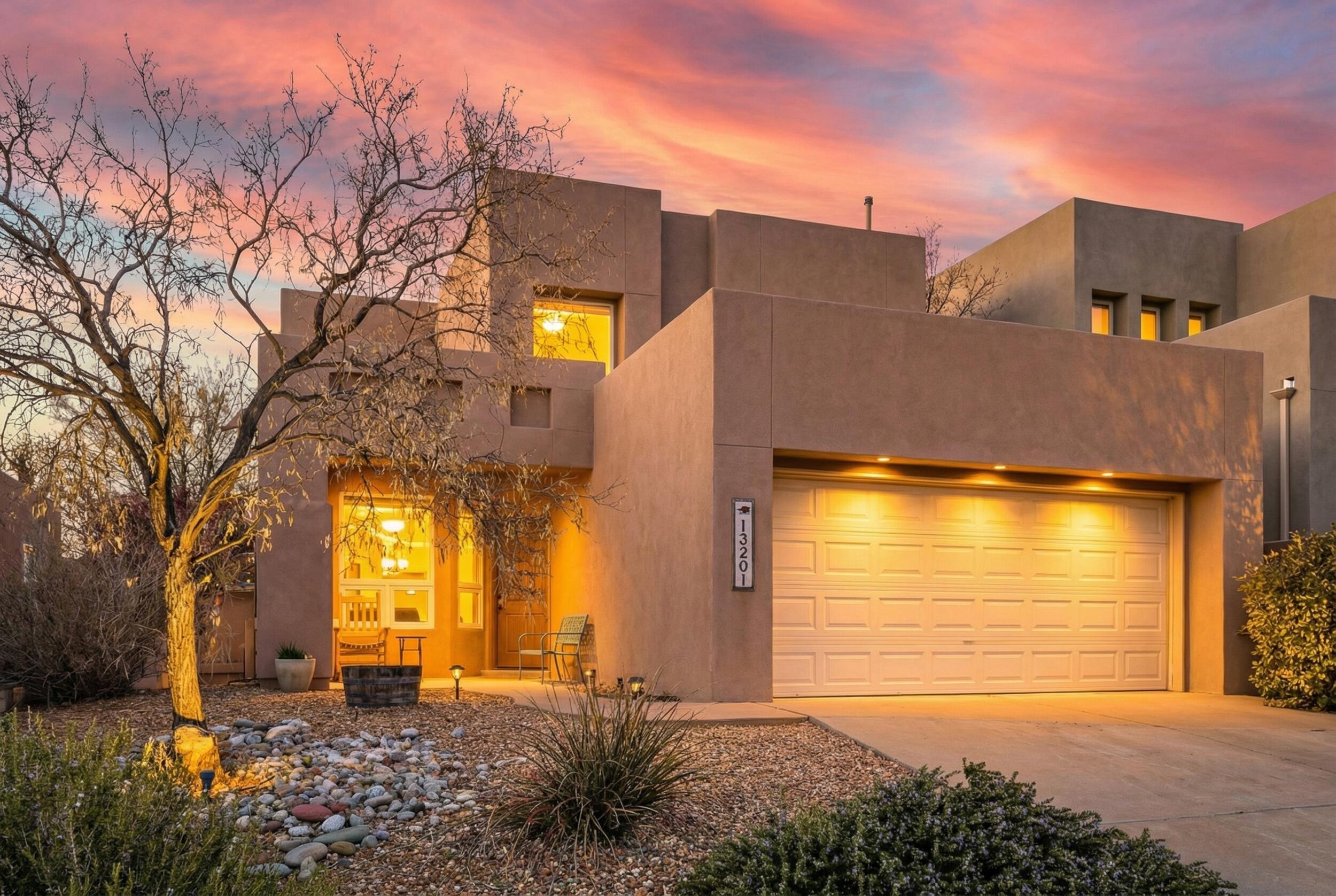
In Albuquerque, it's also worth paying attention to features common in the local housing market, including stucco exteriors, roofing, HVAC systems, and irrigation.
Even a home that appears move-in ready will require ongoing care. Having some savings set aside for unexpected expenses can make the transition into homeownership more comfortable.
7. How Much Money Should You Have Saved?
Let's put some of these expenses together using a hypothetical $360,000 home.
Assuming a 5% down payment:
Down payment: $18,000
-
Estimated closing costs (2%–5%): $7,200–$18,000
Estimated upfront total: $25,200–$36,000
This example does not include inspection fees, moving expenses, or post-closing repairs and purchases.
Your actual amount could be different. Seller concessions, lender credits, down payment assistance, prepaid expenses, and the terms of your transaction can all affect the amount you need to bring to closing.
The important takeaway is to plan beyond the down payment. Having a clear picture of the full financial commitment can help you avoid surprises.
8. How to Prepare Before Buying a Home in Albuquerque
Before you begin making offers, take time to understand your finances and what you want from your next home.
A few helpful steps include:
Review your income, monthly expenses, savings, and existing debt.
-
Speak with a mortgage lender to understand your loan options.
Get preapproved and establish a comfortable price range.
-
Research neighborhoods and compare available properties.
Ask questions about property taxes, insurance, inspections, and closing costs.
-
Keep additional savings available for expenses after closing.
You don't have to figure out every detail on your own. Having the right professionals involved can help you understand the process and make informed decisions along the way.
Make Your Next Move With Confidence
Buying a home in Albuquerque is a significant financial decision, but understanding the costs ahead of time can make the process feel much more manageable.
The purchase price is only one part of the equation. Your down payment, closing costs, inspections, insurance, property taxes, and future maintenance all deserve a place in your budget.
Every buyer's situation is different, which is why it's important to look at the complete financial picture before choosing a home.
At We Sell Houses Group, we help buyers navigate the Albuquerque real estate market with clear guidance and local insight. Whether you're purchasing your first home, relocating, or looking for a property that better fits your needs, our team is here to help you understand your options.
When you're ready to take the next step, connect with We Sell Houses Group. A well-informed decision starts with knowing what to expect.