October 19, 2026· Homeowner Value 5 min read
Albuquerque Home Maintenance Checklist for Winter
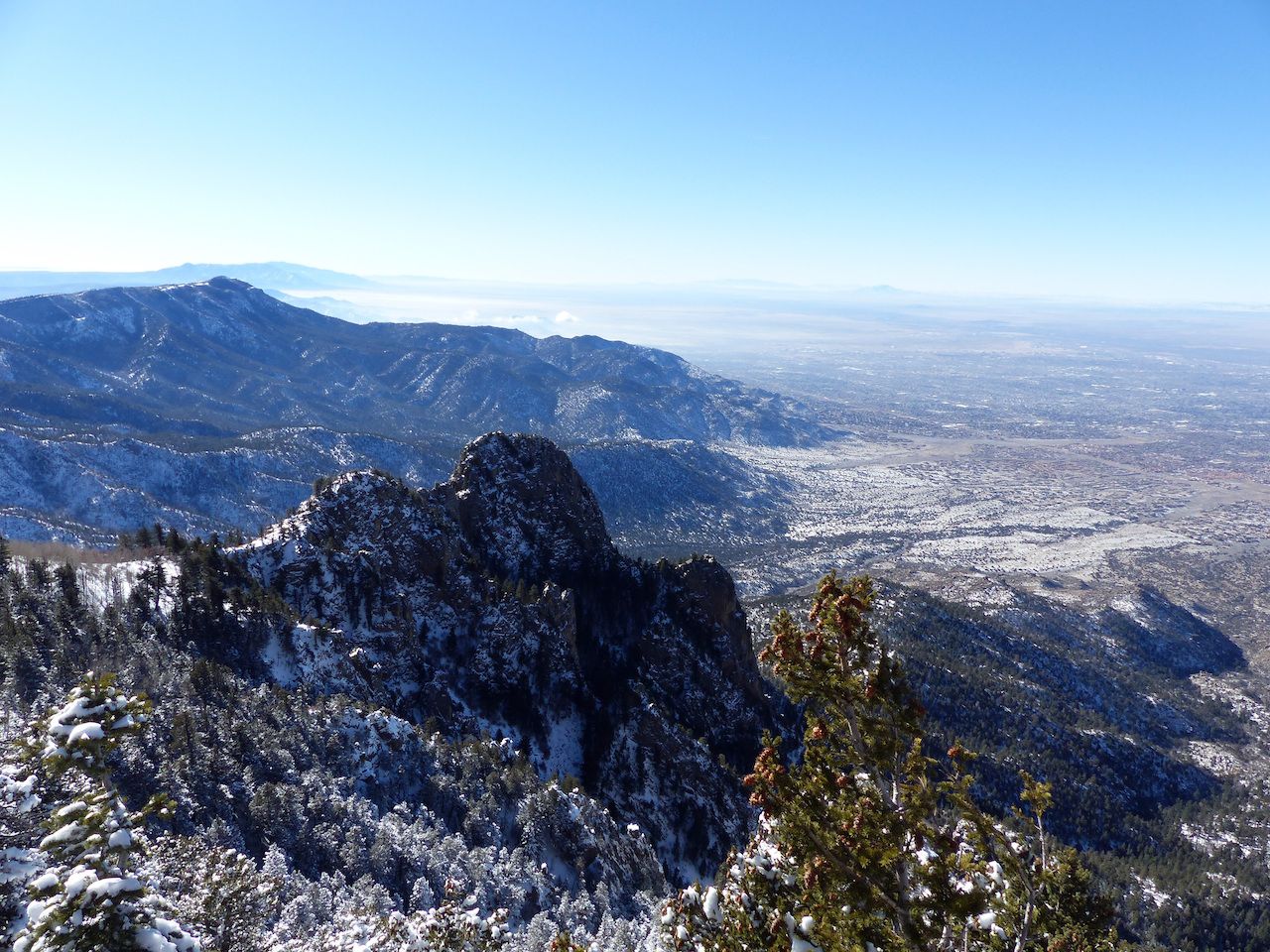
Use this Albuquerque winter home maintenance checklist to prepare your heating system, protect pipes, inspect your roof, and prevent cold-weather damage.
Winter in Albuquerque can bring sunny afternoons, freezing overnight temperatures, and sudden changes in weather. While New Mexico's high-desert climate offers plenty of sunshine, homeowners still need to prepare for cold nights, occasional snow, and freezing conditions.
Taking care of a few important maintenance tasks before temperatures drop can help protect your property, prevent avoidable repairs, and make your home more comfortable throughout the colder months.
Whether you have lived in Albuquerque for years or recently purchased a home, this winter home maintenance checklist can help you prepare.
1. Protect Your Pipes From Freezing
Freezing temperatures can put exposed plumbing at risk, especially overnight. Pipes located in garages, crawl spaces, exterior walls, and other unheated areas may be particularly vulnerable.
Before winter weather arrives:
Insulate exposed pipes in garages, crawl spaces, and other cold areas.
-
Disconnect garden hoses from outdoor faucets.
Check exterior hose bibs and follow the manufacturer's or plumber's recommendations for winter protection.
-
Locate your main water shutoff valve in case a pipe leaks or bursts.
Seal gaps around plumbing penetrations where cold air can enter.
During periods of extreme cold, keep your home adequately heated, even when you are away. If a pipe freezes, avoid using an open flame to thaw it. Contact a licensed plumber if you suspect a frozen or damaged pipe.
2. Schedule a Heating System Inspection
Your heating system works hardest when temperatures drop. A little preparation can help identify problems before you need reliable heat every day.
Consider scheduling a professional inspection before the coldest part of the season.
Your checklist should include:
Replacing or cleaning the air filter according to the manufacturer's instructions.
-
Testing the thermostat and checking that warm air reaches each room.
Inspecting accessible vents and returns for obstructions.
-
Checking the furnace or heat pump for unusual noises or performance issues.
Confirming that smoke and carbon monoxide alarms are working.
If your home uses a gas furnace, have a qualified professional inspect the system and its venting as recommended. Never ignore a carbon monoxide alarm or operate fuel-burning equipment in an enclosed space without proper ventilation.
3. Inspect Your Roof and Gutters
Even in Albuquerque, winter weather can expose roof problems that went unnoticed during warmer months. Snow, ice, wind, and occasional heavy precipitation can worsen existing damage.
Look for missing or damaged shingles, loose flashing, cracked roof penetrations, and signs of water stains on ceilings or upper walls.
Clean gutters and downspouts so water can drain away from your home. Check that downspouts direct water away from the foundation rather than allowing it to collect near the house.
Avoid climbing onto a roof to inspect it yourself, especially in wet or icy conditions. A qualified roofing professional can assess problems safely and recommend repairs.
4. Check Windows, Doors, and Weatherstripping
Drafty windows and doors can make rooms uncomfortable and increase heating costs.
Walk through your home and check for worn weatherstripping, damaged caulking, loose door sweeps, and noticeable drafts around window frames.
Simple improvements may include replacing worn seals, caulking appropriate exterior gaps, and using properly fitted window coverings.
If you have older windows, consider whether targeted repairs or upgrades would improve comfort. Before making a major investment, compare the likely benefits with the cost and condition of your existing windows.
5. Prepare Your Yard and Irrigation System
Albuquerque's dry climate can make it easy to overlook winter preparation outdoors. However, freezing temperatures can damage irrigation components, outdoor plumbing, and some plants.
Before winter:
Follow the irrigation system manufacturer's instructions for seasonal shutdown or winterization.
-
Insulate exposed backflow prevention assemblies and vulnerable outdoor plumbing as appropriate.
Remove garden hoses and store them in a protected area.
-
Check trees for damaged or unstable branches.
Protect sensitive plants based on their specific cold tolerance.
If you have an automatic irrigation system, consult a qualified irrigation professional if you are unsure how to winterize it properly.
6. Seal Gaps and Check Your Home's Insulation
Small gaps around exterior doors, windows, utility lines, and other openings can allow cold air inside. Improving air sealing may help maintain a more consistent indoor temperature.
Check accessible attic insulation and look for obvious gaps around penetrations. Also inspect weatherstripping around frequently used exterior doors.
Because Albuquerque experiences hot summers as well as cold winters, improvements that reduce unwanted air leakage can benefit your home's comfort throughout the year.
For larger insulation projects, consider a professional energy assessment to identify where improvements may provide the most value.
7. Look for Small Problems Before They Become Expensive
Winter is a good time to address minor maintenance issues before they become larger repairs.
Walk through your home and check for:
Water stains beneath sinks and around ceilings.
-
Dripping faucets or visible plumbing leaks.
Cracks or gaps in exterior caulking.
-
Loose handrails, steps, or outdoor fixtures.
Signs of moisture around windows and doors.
-
Unusual odors or changes in heating performance.
Keep a list of repairs and prioritize issues that could affect safety, water intrusion, or the home's essential systems.
If you are considering selling your home in the coming months, addressing maintenance concerns early can also help you prepare for buyer questions and make informed decisions about which repairs are worthwhile.
How Winter Maintenance Can Protect Your Home's Value
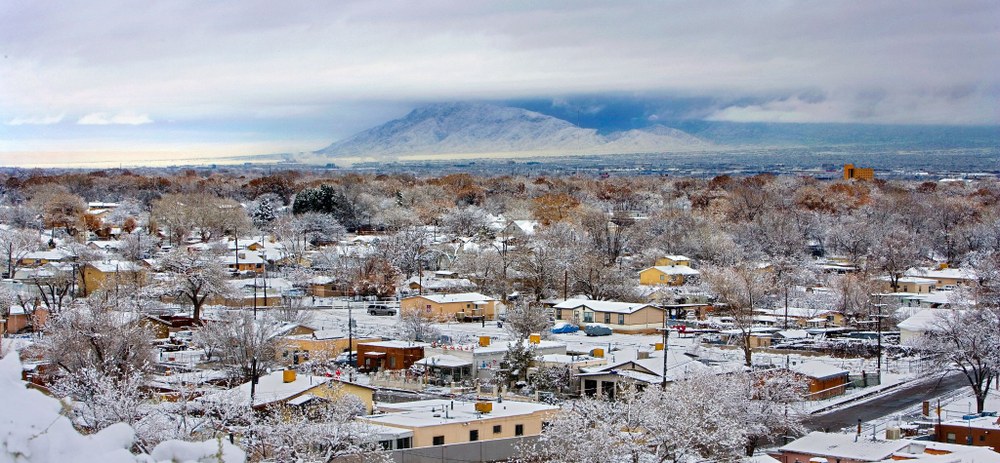
A well-maintained home is easier to care for and can help reduce the risk of unexpected repair costs. Maintenance records, receipts, and documentation of professional inspections can also help you explain the condition of important home systems when questions arise.
Not every improvement will increase a home's market value by the amount it costs. The best approach is to prioritize safety, prevent damage, and understand your property's current condition before investing in larger projects.
If you are weighing repairs against the possibility of moving, read our guide to renovating or moving in Albuquerque for help thinking through your options.
You can also explore the We Sell Houses Group website for local real estate resources and property information.
Get Your Albuquerque Home Ready for Winter
Preparing your home for winter does not have to mean tackling every project at once. Start with your heating system, plumbing, roof, and other areas where cold weather could cause damage. Then work through smaller improvements as time and budget allow.
Every home is different, so prioritize the tasks that match your property's age, construction, and maintenance history.
With a little planning, Albuquerque homeowners can enter the colder months better prepared and more confident about caring for their homes.